Sign in. It’s quick, free and it’s up to you.
An account is an optional way to support the work we do. Find out more.
Sign in. It’s quick, free and it’s up to you.
An account is an optional way to support the work we do. Find out more.
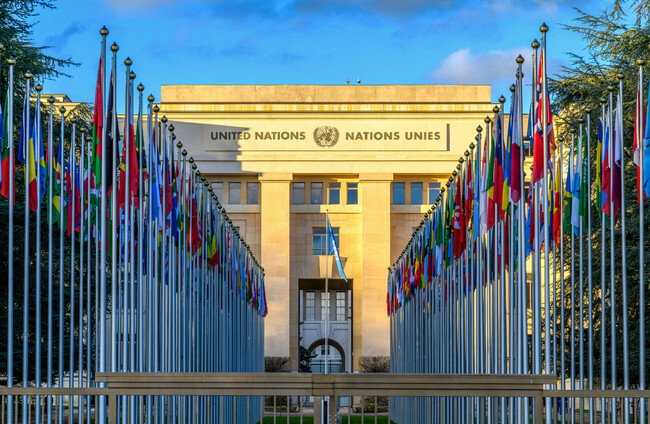
TWO IRISH HUMAN rights organisations are to address UN member states today to warn of what they say is a risk of “backsliding” on human rights and equality in Ireland.
Free Legal Advice Centres (FLAC) and the Irish Council for Civil Liberties (ICCL) will make their case as part of a UN examination of Ireland’s human rights record.
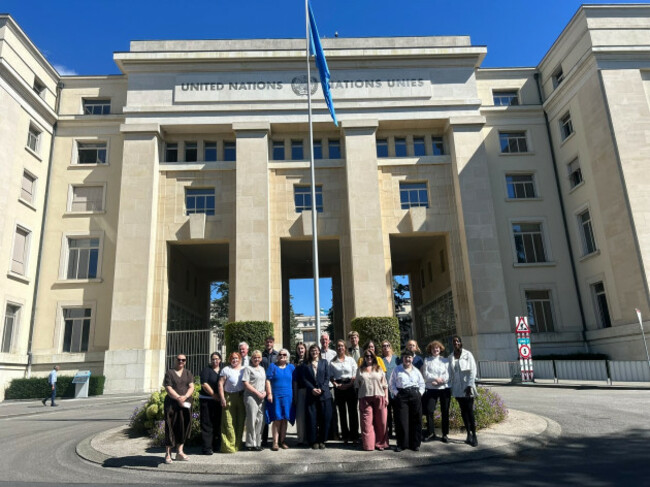
FLAC is due to deliver a joint statement on behalf of both organisations at the United Nations in Geneva this morning, ahead of Ireland’s latest Universal Periodic Review (UPR).
The UPR is a process run by the UN Human Rights Council which examines the human rights record of every UN member state roughly every four-and-a-half years.
This morning’s pre-session allows civil society organisations to brief diplomats on issues they believe should be raised when Ireland undergoes its formal review.
FLAC and the ICCL will focus on four areas: civil legal aid, access to the courts, equality and discrimination, and Traveller and Roma rights.
The organisations argue that progress on a number of commitments made following Ireland’s previous UN review has either stalled or, in some cases, gone backwards.
Christopher Bowes, FLAC’s Policy and Public Affairs Manager, said the “human rights and equality agenda in Ireland has stalled if not regressed” in the five years since the State’s last review.
Among the issues being raised is the government’s proposed reform of judicial review.
Under proposals published earlier this year, applicants would face tighter deadlines for taking cases and higher thresholds before a court could grant them a remedy. The changes would also introduce a public-interest test and restrict who can bring a judicial review to people directly affected by a decision and with a sufficient interest in the matter.
The organisations argue that changes contained in the General Scheme of the Civil Law Reform Bill 2025 could restrict the ability of disadvantaged people to take cases relating to access to public services such as housing and social security.
They are calling on the State not to proceed with the proposals in their current form and to examine their potential impact before making changes.
Bowes said the proposed legislation “may block disadvantaged groups from taking cases about access to basic public services like housing and education”.
“That judicial review legislation should not proceed,” Bowes said.
The groups will also tell UN member states that Ireland’s civil legal aid system is “at crisis-point and at risk of collapse”.
A review of the system was completed in April last year, but the statement says no substantive reforms have since been introduced and no reform plan has been published.
It also says people can face waits of more than a year for a first appointment with a legal aid lawyer.
FLAC and the ICCL are also calling for progress on proposed reforms to Ireland’s equality laws.
They say existing anti-discrimination legislation does not adequately cover the State in areas including housing, healthcare, education and social security.
A draft Equality Bill would, among other changes, increase the maximum compensation available under the Equal Status Acts from €15,000 to €75,000, but has yet to be passed.
The organisations will also raise concerns about legislation passed last month introducing residence conditions for access to social housing and emergency homeless accommodation.
Their submission warns that the changes are likely to increase homelessness among non-Irish nationals and minority ethnic and migrant communities, including Travellers and Roma.
It also notes that more than 1,900 Traveller families are living on unauthorised halting sites or in overcrowded or shared accommodation, according to the most recent official figures cited in the submission.
The organisations have criticised the fact that no Traveller or Roma group has been given speaking time at this morning’s pre-session, describing this as “regrettable and unprecedented”.
ICCL executive director Joe O’Brien said Ireland was “not immune to the global trend of backsliding on human rights and democratic freedoms”.
“We’ve seen worrying developments recently in Ireland, including a stalling of equality and anti-discrimination efforts, and moves which would hinder people’s access to justice,” O’Brien said.
“Ireland needs to course-correct and recommit to robustly protecting everyone’s rights and freedoms.”

To embed this post, copy the code below on your site










have your say