Sign in. It’s quick, free and it’s up to you.
An account is an optional way to support the work we do. Find out more.
Sign in. It’s quick, free and it’s up to you.
An account is an optional way to support the work we do. Find out more.
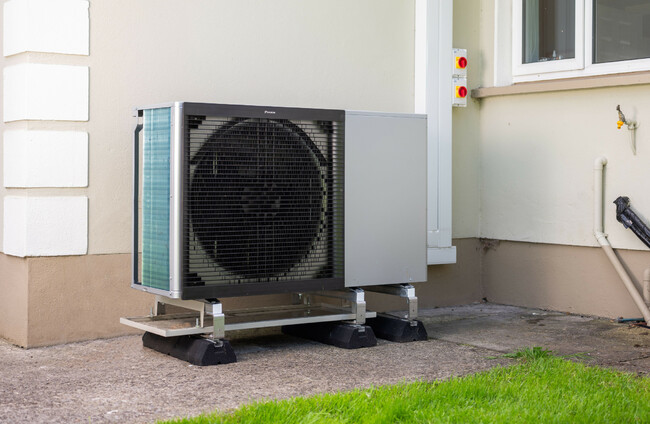
THE ENERGY MINISTER this week mooted an oil boiler scrappage scheme that would offer households an extra €2,000 for switching to an electric heat pump.
The grant, which is expected to be available from January 2027, is in addition to existing heat pump grants worth €12,500.
Paul Deane is a senior lecturer in clean energy futures at University College Cork and has installed a heat pump in his own home.
On the face of it, more funding for retrofitting is a positive move. However, individuals must pay the costs upfront and later get reimbursed, so thousands of euros are needed to begin with.
Replacing a gas boiler with a heat pump can cost anywhere from €10,000 to €20,000. But Deane says there’s much more to consider.
Around 700,000 houses in Ireland use kerosene. Most of these homes are larger, detached and located in more rural areas.
“It’s not just a simple matter of swapping in an air source heat pump … It’s very house-specific, and it really depends on how leaky your house is,” says Deane.
He advises getting a Building Energy Rating (BER) assessor to look at your house and what it needs for a heat pump to be efficient. It could be new windows, doors, insulation, larger radiators or all of the above.
“It’s quite technical and it’s a big financial commitment.
“Heat pumps work great in houses that are suitable for them. If the house isn’t suitable, it could end up costing you an awful lot more money.”
He says those considering scrapping their boiler to avail of the grant should “go into it with their eyes open” and consult a specialist before investing.
If your house is suitable, and you can afford to make the upgrade, could a heat pump save you money in the long run?
Well, it depends.
“It’s a long-term investment in my property that gives me a bit more stability, more comfort, and a lot of predictability,” says Deane.
“God only knows what the price of oil will be in 20 days, not to mind in 20 years.
“Even though electricity prices fluctuate a little bit, the efficiency of air source heat pumps is incredible … They don’t typically have to produce an awful lot of heat, so it gives you a bit more control, a bit more predictability.”
However, he warns that it’s not a guaranteed money saver.
“If oil prices collapsed in the morning and went back to $40 a barrel, well then, I would probably not be saving much money at all from my air source heat pump,” he said.
Looking at the bigger picture, increasing the grant could help future-proof many homes. According to Deane, if the government had done this decades ago, we would’ve been shielded from the energy crisis.
“When the price of heating oil and everything goes up, that’s a huge burden on the state.
“It’s redundant and reductive when we look at it just through the lens of climate only or economics only. This is a wider societal health, well-being issue, and again, those investments will last longer,” he said.
The government has also said there’ll be new grants for solar battery storage, which could be available from as early as next month.
Asked if existing solar grants will be increased in the budget, Minister Darragh O’Brien said they would not be.

To embed this post, copy the code below on your site















have your say