Sign in. It’s quick, free and it’s up to you.
An account is an optional way to support the work we do. Find out more.

Sign in. It’s quick, free and it’s up to you.
An account is an optional way to support the work we do. Find out more.
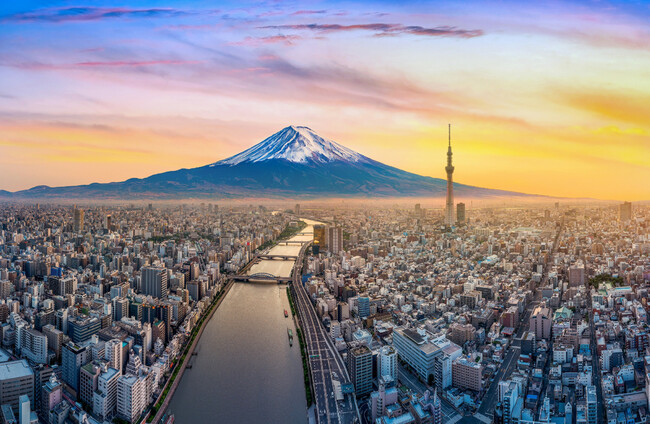

THERE IS NOWHERE else on earth quite like Japan.
From the sensory overload of Tokyo’s Shibuya Crossing to the peaceful shrines of Kyoto, Japan is a unique country with a history, cuisine and culture that you will not find anywhere else on earth.
With so much to do and see, it’s fair to say that no trip to Japan will be successful unless you put a lot of planning into it. Japan is home to 792 incorporated cities, boasts over 150,000 shrines, countless restaurants, izakayas, onsens and shops, and infinitude of cool stuff to do.
We’ve put together an itinerary for a two-week trip in Japan for you to use as inspiration for your trip.
Tokyo (6 days)
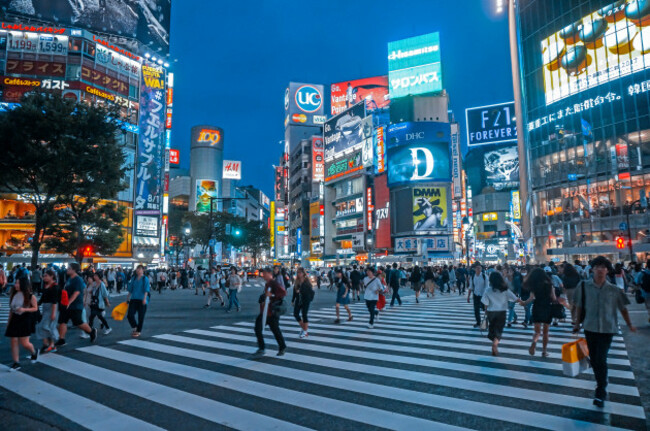
You might think you know what to expect from Tokyo, but until you’ve seen it up close, you have no idea. The city somehow combines overwhelming bustle with order and efficiency; the streets are spotless and safe, and the public transport is incredibly comprehensive.
On your first night in the city (or at least the first night after your body clock has adjusted), be sure to visit Golden Gai in the Shinjuku region. This is a collection of dozens of small izakaya bars that rarely seat more than a dozen people at a time. Other unmissable landmarks include the Meiji Shrine, the upmarket Harajuku shopping district, Ueno Park, and the Tokyo National Museum.
For food, do not skip Ichiran, one of the most unique ramen experiences in the world.
Hakone (1 day)
Hakone is a day trip that’s easily accessible from Tokyo by coach. The highlight of this peaceful resort town is its open-air art museum, which includes beautiful installations, a Picasso exhibition, and a cable-car ride that offers incredible views of Mt Fuji, depending on the season.
This is the perfect place to book yourself a slot at a traditional onsen (Japanese bath) and relax to your heart’s content.
Osaka/Kyoto (4 days)
Depending on how you want to do it, you can easily visit Osaka from Kyoto or vice versa, but you might feel a bit more immersed in the unique character of each city if you stay in both.
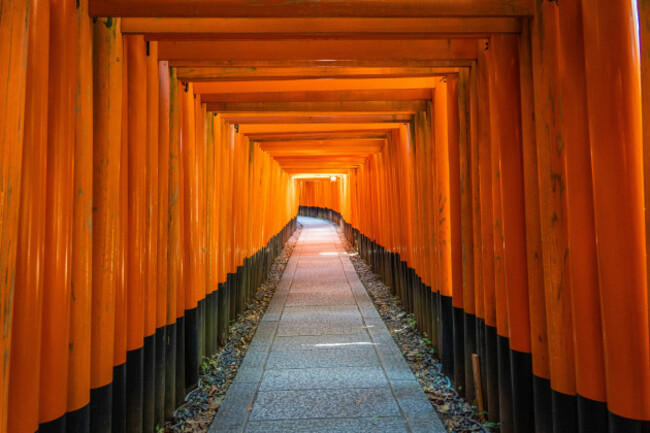
Perhaps the most iconic shrine in Kyoto is the Fushimi Inari Shrine, known for its thousands of red gates. This is an Instagram favourite, so make sure your phone is well-charged and has plenty of storage for all the photos you’ll want to take.
Other highlights of the Osaka-Kyoto region include the Dotonbori shopping district — about 3 kilometres of shops, shops and more shops. Also in Osaka is Universal Studios, which is home to the incredibly immersive Super Mario World.
Hiroshima (1 day)
The site of one of the most significant historical events of the last century, the focal point of Hiroshima is its commemorative museum. While Hiroshima is a quiet city, it is also full of life, with no shortage whatsoever of bars, restaurants and gardens to peruse.
Naturally, what you’ll probably remember is the Hiroshima Peace Memorial Museum — which can be extremely busy, so best to try to book your slot for early in the morning.
Tokyo (2 days)
By the end of your first week in Tokyo, you’ll almost certainly have discovered at least one thing you didn’t get the chance to do. Since you’ll be flying home out of Tokyo anyway, make the most of your return to the capital by spending one more night doing what you missed out on the first time around before catching your flight home the next day.
Go from checking out your friend’s travel photos to checking in at departures, with online approval in minutes on PTSB Personal Loans from €1,500 to €30,000.
Visit ptsb.ie to learn more.
Online approval in minutes applies to PTSB Current Account salary mandated customers for loans from €1,500 to €30,000, subject to affordability assessment. Lending criteria, terms and conditions apply. Security may be required. Over 18s only. Permanent TSB plc trading as PTSB is regulated by the Central Bank of Ireland. Information correct at the time of publishing and subject to change.
To embed this post, copy the code below on your site















have your say