Sign in. It’s quick, free and it’s up to you.
An account is an optional way to support the work we do. Find out more.
Sign in. It’s quick, free and it’s up to you.
An account is an optional way to support the work we do. Find out more.

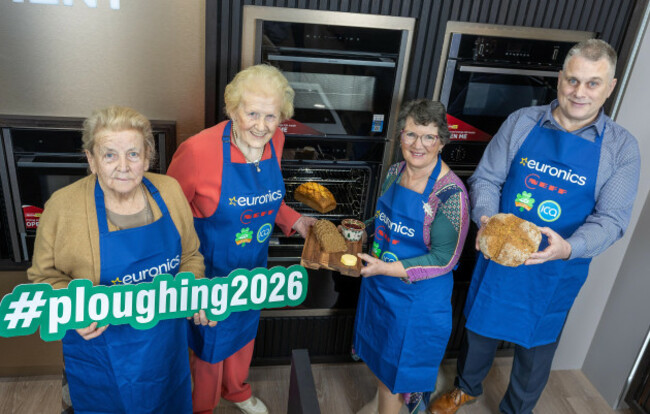
TUCKED ON THE outskirts of the 700-acre site of the National Ploughing Championships is a small white tent where blue-aproned contestants anxiously peer at their rising loaves of bread in ovens.
It’s the base of the National Brown Bread Baking Competition 2026.
The competition has been running since the 1970s, its organiser Joanna Byrne told The Journal – and one of the three judges, Eileen Brennan, was in fact the winner in 1973.
Tuesday and Wednesday produce finalists from the junior and senior categories and Thursday is the crowning glory. Competitors of all ages take part; this year, the oldest is 87-year-old Bir Ennis and the youngest 12-year-old Callum from Donegal.
The contestants we spoke to were both delighted to have made it to the semifinals and hopeful to progress further.
“The camaraderie is lovely,” Byrne told The Journal at the competition tent. “There’s just something so wholesome about a loaf of brown bread.”
How does the competition work? And how does one brown bread stand above the others?
The three judges meet the contestants, but they don’t get to see whose bread is whose. At the back of the stand, once the loaves are ready, the judges will stand alone with only the four loaves of brown bread and three glasses of water.
“Nobody goes back in until they say they have a result,” Byrne explained.
As for how they determine this result, it comes down to a variety of factors.
“First of all you look at the appearance of the bread,” judge Eileen Brennan told The Journal. “Do you like the appearance of it and if the crust is hard or very soft?
“Then you cut it and you smell it to see is it heavy of soda or salt r sweetness.” After that, it’s the taste test, and then judges will make a decision.
It’s over 50 years since Brennan won the competition, but she remembers it well.
“I had to do a lot of work now for that, because it was always my opinion that if you’re going to go for something that you should do everything you want to do, and I did have to do a lot of things.
“I remember asking the ESB in Athy that time to know could I bake in the oven that I was going to cook at the ploughing match.
“At that time, there were six of us took part at the one time. The ESB sponsored that competition that time, but there were six of us taking part at the one time on the stage, and it was great because we were mixing in with each other.”
Video by Cliodhna Travers

To embed this post, copy the code below on your site













have your say