Sign in. It’s quick, free and it’s up to you.
An account is an optional way to support the work we do. Find out more.
Sign in. It’s quick, free and it’s up to you.
An account is an optional way to support the work we do. Find out more.
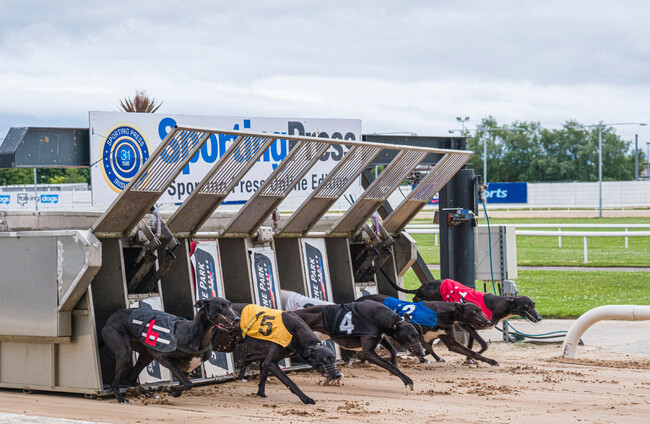

MUCH OF THE focus on this week’s budget was understandably on the cost-of-living crisis and the abject failure of the government to provide meaningful support to individuals and families. However, what might have slipped your attention was the budgetary measure which provides yet more proof that this government does not prioritise animal welfare.
Buried in the small print of the Department of Agriculture’s budget, was the news that greyhound racing is set to receive its biggest budget in 25 years – more than €20 million. This huge level of funding was signed off even though public support for this cruel industry has totally collapsed.
A 2024 Norstat poll, commissioned by GREY2K USA Worldwide, found that 70% of those surveyed wanted State funding for greyhound racing to be scrapped while just 16% had a favourable view of the industry. This haemorrhage in support is also evident in the huge fall in the numbers attending greyhound races – down nearly 75% between 2005 and 2025.
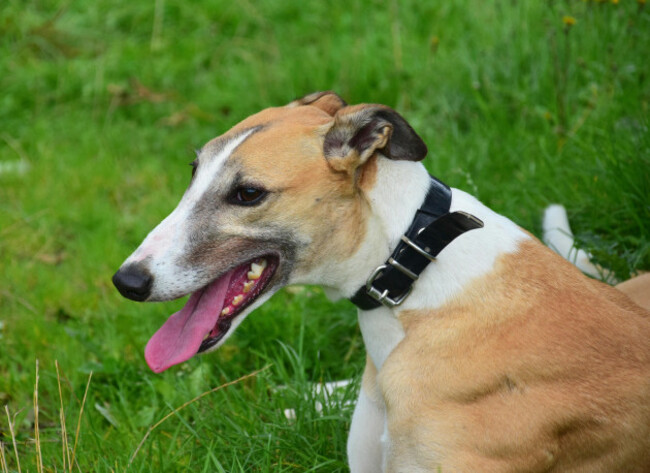
With public support cratering, the greyhound racing industry is being kept on life-support by the enormous levels of taxpayers’ money that is being provided by Fianna Fáil and Fine Gael. It is shameful that the State continues to prop up an industry which is synonymous with animal abuse, injuries, fatalities, overbreeding and culls.
In 2024, 202 greyhounds died in track deaths, while a further 187 were injured. In the first eight months of 2025, 134 greyhounds were euthanised by track vets, while the total number killed or injured reached 376. Since 2014, there have been 3,938 injuries and 1,534 deaths during races. 100% of dogs which were injured racing on Newbridge Greyhound Racetrack were euthanised in 2025. These harrowing numbers only account for races which were recorded. Trial events have no vets present and yield no statistics.
The latest figures show that 41% of the greyhounds born in 2021 are either dead or unaccounted for. While an RTÉ documentary in 2019 found that 6,000 greyhounds were killed every year, their only crime being that they were not fast enough to please their owners.
Greyhounds’ lives are not much better off the track. It is estimated that 16,000 greyhounds are bred every year in Ireland, a result of rampant overbreeding, yet fewer than 1,000 greyhounds are rehomed each year. As a result, rescues and pounds are bursting at the seams – but receive nowhere near the level of State funding provided to an industry that has no love for thousands of dogs every year.
There is now a mountain of evidence which demonstrates just how cruel and unpopular greyhound racing is. Further, Ireland is an outlier in allowing commercial greyhound racing. We are just one of four countries worldwide where commercial greyhound racing is legal. Earlier this year, both Scotland and Wales moved to ban greyhound racing while New Zealand also announced a ban at the end of 2024, giving the industry under two years to wind down.
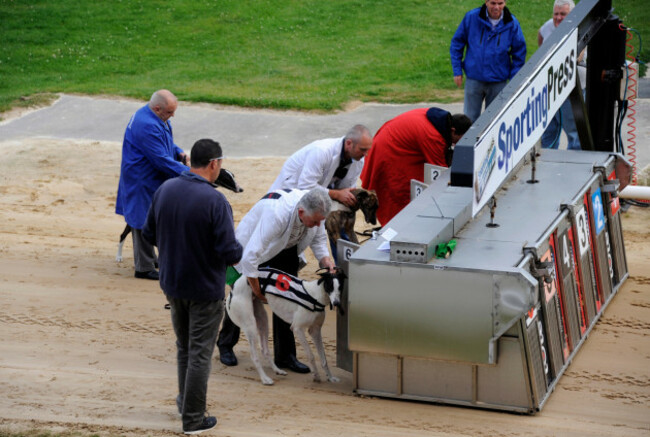
However, government parties – and the Independent TDs who support them – refuse to countenance any such ban here, to bring us into line with both appropriate animal welfare standards and international norms. Worse, they use tens of millions of public money every year to prop up an industry that most of the public is repulsed by.
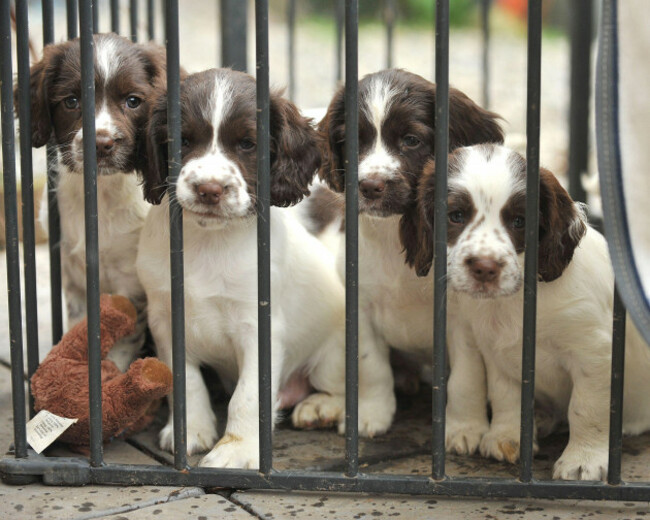
Sadly, greyhounds are not the only dogs exposed to systematic abuse in this country. Ireland remains the puppy farm capital of Europe, producing at least 30,000 puppies annually in registered establishments, with many more from unregistered breeders, and the government is doing everything it can to avoid taking the action required to shed this shameful title. It is estimated that approximately 100,000 pups are bred here each year.
Female dogs are being bred repeatedly in horrific conditions: dirty, dark, damp and cramped kennels, often without fresh air or sufficient water. They are regularly found matted, covered in sores, and have never felt any love. This stress and emotional duress is felt by their pups, who end up with behavioural and health issues.
More than 3,000 dogs are in pounds and rescues, with hundreds more on waiting lists. Abandonments have surged since the pandemic, worsened by the cost-of-living crisis. 7,352 dogs entered Irish pounds in 2024, a 77% increase from 2021, and 340 dogs were euthanised, double the previous year.
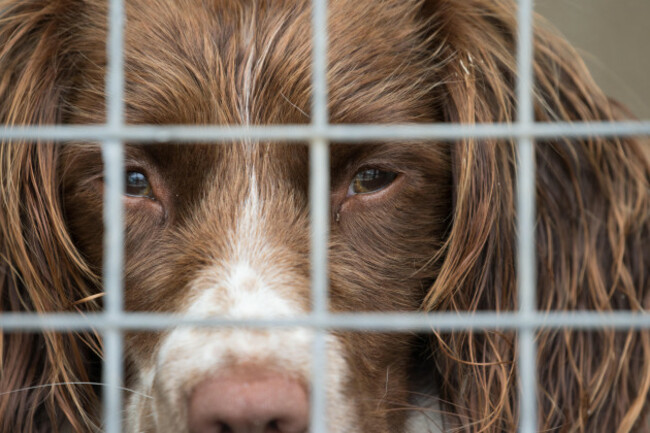
The Dog Welfare (Amendment) Bill 2025, which I introduced to the Dáil last November, contains several key measures to tackle unregistered breeding and cruel puppy farm practices. These include capping the number of breeding females at 30 per site; introducing a 16-month minimum age for breeding and eight-year maximum age; a maximum of one litter per year per breeding female; a maximum of four litters per breeding female during her lifetime; the outlawing of surgical artificial insemination; and a 1:10 staff-to-dog ratio to ensure proper care.
When the Bill was debated in December, it was clear that there was significant cross-party support from all sides of the House. I accepted a timed amendment on the Bill – postponing it for 12 months – after receiving assurances from ministers that I would be engaged with proactively in the process of introducing legislative change.
Since then, there has been a complete lack of engagement from those who made that promise. I took their word in good faith, which has proven once again to be a mistake when dealing with those on government benches. It is demotivating when commitments of collaboration are made to great fanfare only to be forgotten moments after.
The General Scheme of Minister for Agriculture Martin Heydon’s own Bill, the Dog Breeding Establishments (Amendment) Bill 2026, features some positive developments but is defined by one glaring omission: there is no cap on breeding female dogs in each establishment. This is a crucially important provision of my Bill that cannot be ignored.
The public has been clear in their support for an end to puppy farming in Ireland, and a cap is crucial to achieving that. There are only 14 registered breeders in Ireland who have more than 30 breeding females on site, so it is hard to understand why the government is resisting a measure that would affect so few breeders while delivering a significant improvement in dog welfare standards.
Northern Ireland is expected to introduce a cap of 25 adult dogs in the coming months, and I have serious concerns that this could result in a mass movement of large-scale breeders moving south of the border where puppy farming will continue legally. This cannot be allowed to happen.
Animal welfare is not a game and the politics surrounding it should not play out as such. The government cannot credibly claim to care about animal welfare when it is propping up an industry that actively harms thousands of greyhounds every year while refusing to comprehensively act to address our ignominious title as the puppy farm capital of Europe.
Jennifer Whitmore is the Social Democrats spokesperson for Agriculture and TD for Wicklow.
To embed this post, copy the code below on your site









have your say