We need your help now

Support from readers like you keeps The Journal open.

You are visiting us because we have something you value. Independent, unbiased news that tells the truth. Advertising revenue goes some way to support our mission, but this year it has not been enough.

If you've seen value in our reporting, please contribute what you can, so we can continue to produce accurate and meaningful journalism. For everyone who needs it.

Alamy Stock Photo

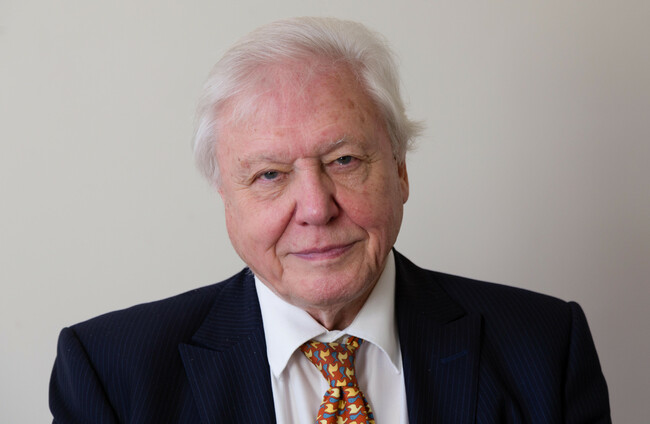
Opinion David Attenborough's new film delivers a stark message about the world's oceans

David Attenborough’s new film about the oceans has been released as he turns 99 — Jack O’Donovan Trá looks at the message it brings.

AS HE MARKS his 99th birthday this week, David Attenborough is returning to our screens, this time in cinemas, to bring viewers on yet another breathtaking journey in the natural world. It’s fitting that ‘Ocean with David Attenborough’ is being shown on big screens, as it has a big message.

This is one of the most horrifying yet inspiring films I have ever seen — it demands that we all pay attention.

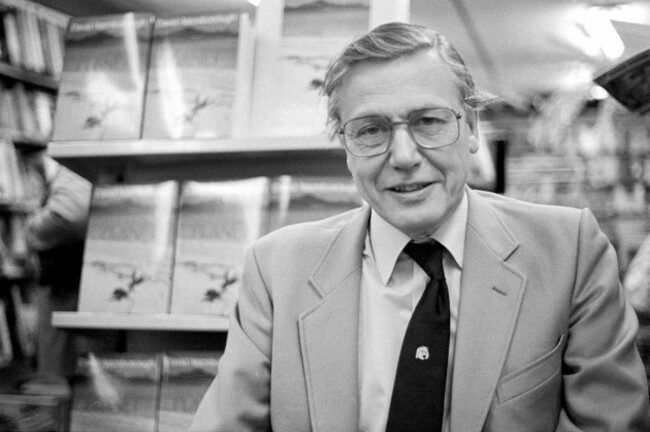
david-attenborough-c1985 Attenborough in 1985. Alamy Stock Photo Alamy Stock Photo

For years, I have been working on projects to conserve life in our seas, and I have struggled at times, knowing the damage we humans are doing to it. Ocean with David Attenborough not only exposes the extent to which “we are draining the life from our ocean”, but crucially it sounds a note of encouragement too, as it reveals how, if managed correctly, the ocean can recover and thrive to an extent humans have never seen.

Protecting our oceans

‘Ocean’ has particular relevance for Irish audiences, as it puts the spotlight on some fascinating habitats that are also found in the seas around Ireland. We witness, for example, beautiful kelp forests and seagrass meadows that are teeming with incredible marine life. Then the film contrasts these stunning, biodiversity-filled scenes with equally incredible shots of the consequences of harmful human activities such as bottom trawling and examples of unsustainable fishing.

In any coastal village in Ireland, the walls of the pubs and restaurants are often decorated with photos of piers lined with herring boats or old black and white prints of women salting and barrelling the sea’s bounty. This abundance of life has vanished — largely because of overexploitation, but as we learn in ‘Ocean’, and as we at Fair Seas want everyone to understand – now we have the chance to turn the tide and revitalise our seas.

At Fair Seas, we are building upon the innate connection people in Ireland have to the sea so that life in the waters around our island and along our coasts can bounce back.

As Attenborough himself says in the film: “We must write its next chapter together”. For myself, my colleagues at Fair Seas and our supporters, this means bringing users of the sea together to inform management plans for our most vulnerable marine areas.

The first step in this process is for the Irish government to publish the long-delayed Marine Protected Areas (MPA) Bill. This new national legislation, which has been in the works now for almost three years, will pave the way for at least 30% of Irish waters to be designated as Marine Protected Areas, with at least 10% of those under ‘strict protection’, which significantly reduces the permitted human impact.

Part of my role with Fair Seas involves engaging with the wonderful people in coastal communities who know better than anyone how the sea is changing. We’ve just completed work on a film entitled ‘Fair Seas — The Celtic Sea’ which explores the relationship these communities along the southeast coast have with the sea. They share their stories, hopes and fears of how new marine protections could change the Celtic Sea they know and rely on so much.

Our message is that imposing these MPA changes has actually been shown to have the most incredible beneficial impact on the wider area. Fish, crabs, lobsters and other fished species in these protected areas grow bigger, produce many more young and ultimately spill over to areas where fishing is allowed and bring a boost to the fishery economy.

As a result, MPAs can ultimately serve as a safety net for our ancient fishing traditions, communities and fleet that rely on our amazing marine resources for their livelihood and economy – so everyone reaps the rewards.

The will to change

Our research has repeatedly shown growing awareness and support among the public for greater efforts to be made to protect Ireland’s marine environments. We have repeatedly delivered our message and that of our supporters to policymakers.

We have met with politicians to try to progress the MPA legislation many times, we have even rallied outside the Dáil, and we have been really encouraged by the goodwill we have encountered.

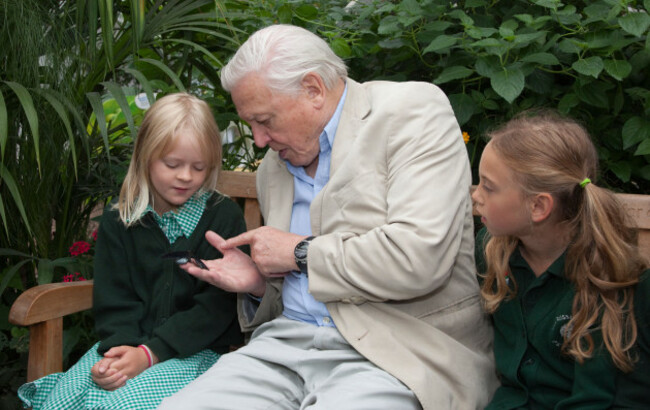
sir-david-attenborough-big-butterfly-count-national-history-museum-london Sir David Attenborough, Big Butterfly Count, National History Museum, London. Alamy Stock Photo Alamy Stock Photo

Back in January, the coalition’s newly unveiled programme for government pledged to expand Ireland’s MPAs. This is a welcome promise, however, what we really need now is to see action to back that up. We will be continuing our campaign, along with our fellow interest groups and our thousands of supporters all around Ireland, to secure the protection our marine environment deserves.

We’re currently preparing to attend the UN Ocean Conference in Nice next month, where world leaders, scientists and stakeholders will gather to drive urgent action for ocean conservation, and we will be sharing our message with international experts.

If we can achieve our goal — if strong MPAs can be introduced and enforced around Ireland, it would mean protecting a third of our ocean. The benefit would be immeasurable and would be felt for generations to come because, as Attenborough says himself, “if we save the sea, we save our world.”

Jack O’Donovan Trá is a marine biologist and the Communications Officer with Fair Seas. The Fair Seas campaign is led by a coalition of Ireland’s leading environmental non-governmental organisations and networks including Irish Wildlife Trust, BirdWatch Ireland, Sustainable Water Network, Irish Whale and Dolphin Group, Streamscapes, Irish Environmental Network and Coastwatch. It is funded by Oceans 5, Blue Nature Alliance and the Becht Foundation. Fair Seas: The Celtic Sea will have its first free public screening at the Stella Maris centre in the picturesque setting of Kilmore Quay at 7pm on Friday 16 May. Full details and tickets are available here.

Readers like you are keeping these stories free for everyone...
A mix of advertising and supporting contributions helps keep paywalls away from valuable information like this article. Over 5,000 readers like you have already stepped up and support us with a monthly payment or a once-off donation.

Close
45 Comments
This is YOUR comments community. Stay civil, stay constructive, stay on topic. Please familiarise yourself with our comments policy here before taking part.
Leave a Comment
    Submit a report
    Please help us understand how this comment violates our community guidelines.
    Thank you for the feedback
    Your feedback has been sent to our team for review.

    Leave a commentcancel

     
    JournalTv
    News in 60 seconds