Sign in. It’s quick, free and it’s up to you.
An account is an optional way to support the work we do. Find out more.
Sign in. It’s quick, free and it’s up to you.
An account is an optional way to support the work we do. Find out more.
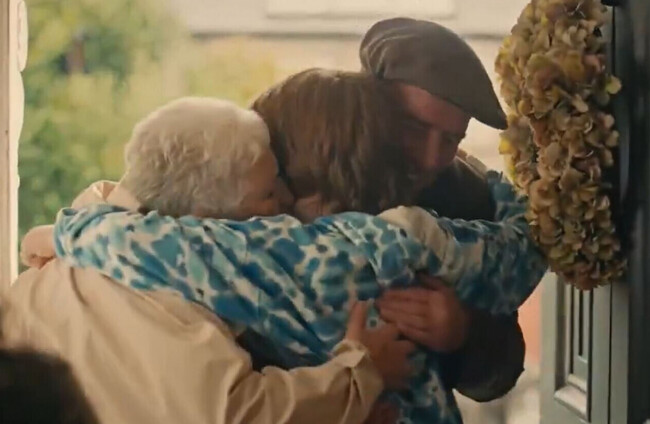
A CONTROVERSIAL CONSENT ad that was pulled by government officials after an intervention by the justice minister was online for up to five weeks before its removal following an online backlash.
Emails between Cuan and the Dublin Rape Crisis Centre (DRCC) released under the Freedom of Information Act show how Cuan, the State’s domestic and sexual violence agency, committed to sharing the ad campaign through its channels in September.
Previously unreleased data also shows that, before the controversy, the ad led to a significant uptick in visitors to We-Consent.ie, an online programme to inform, educate and engage with the public about the topic of consent.
The ad, which sought to promote discussions about children and consensual hugs and embraces, was taken down by the DRCC in late October after backlash on social media.
The ad depicted children opening the door to their grandparents, with one child happily going ahead with hugging their elders, while another child was shown as uncomfortable with receiving a hug.
A voiceover carries the message after the young girl expresses discomfort at receiving a hug: “Not everyone wants a hug. Even from the people who love them.”
It adds: “Awkward? Maybe. Important? Absolutely.”
However, the ad came in for criticism for depicting the discomfort of the young girl when her grandparents looked to embrace her.
On 21 October, far-right outlet Europa shared the clip on X, presenting it as an Irish State advertisement discouraging grandparents from hugging their grandchildren.
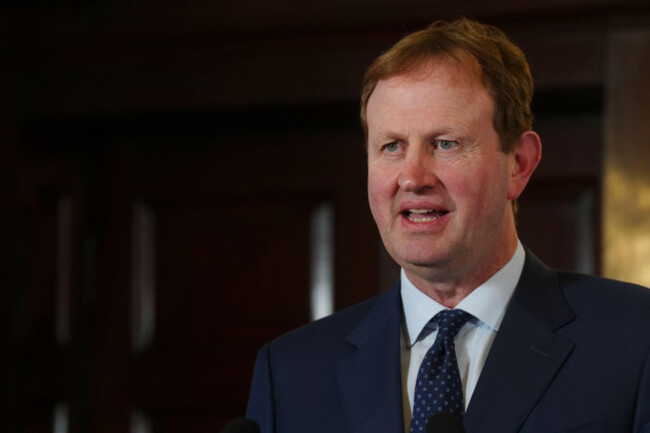
Criticism of the ad subsequently went viral online, and by the following morning, O’Callaghan said DRCC had removed the video following engagement with his officials.
The minister said at the time that the ad did not represent the views of the government, and that it was “both inappropriate and demeaning to grandparents”.
Documents released to The Journal under FOI show how the ad had been talked about between Cuan and the DRCC for weeks before the minister’s intervention and that there were preliminary plans to roll it out in cinemas.
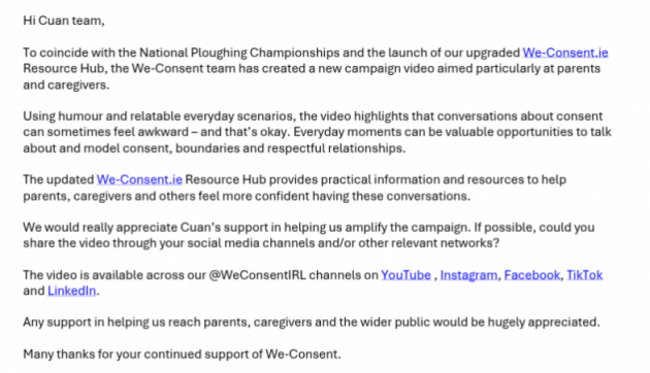
On 15 September, the DRCC contacted Cuan about the campaign, which it said was aimed particularly at parents and caregivers.
The charity explained that the video used “humour and relatable everyday scenarios” to encourage conversations about consent, boundaries and respectful relationships.
“Everyday moments can be valuable opportunities to talk about and model consent, boundaries and respectful relationships,” the email said.
The launch coincided with the National Ploughing Championships and an upgrade of the We-Consent website’s resource hub.
Responding that afternoon, a Cuan official wrote: “Thanks so much for sharing the new campaign with us. We will absolutely share and amplify across our channels.”
On 23 September, DRCC sought a call to discuss how Cuan could help spread the video more widely.
“We would really appreciate the possibility to promote it widely,” the email said.
The next emails that were released show how, two weeks before the ad was removed, the DRCC asked Cuan for assistance in reaching cinema audiences.
In an email dated 6 October, a representative of the charity said it would welcome “any contacts, guidance or financial support” to help get the video into cinemas.
“We think cinemas are the perfect place for it as it is funny, engaging, memorable and a great conversation starter,” they wrote.
It also reported how preliminary digital advertising results indicated a huge increase in people accessing We-Consent.ie as a result of the campaign.
“We just need help getting people to see it in different ways,” the email said.
An accompanying impact document said DRCC had reported an increase of more than 830% in unique website viewers within the month of the advertising launch, alongside a reported 10.24% click-through rate on Meta
It said advertising tests were targeting general audiences and groups represented in the videos, expressly including grandparents.
Resources for young people and resources about neurodivergence were the two most popular resource sections accessed, according to the document.
The videos were taken down two weeks later.
After the videos were withdrawn, DRCC told The Journal that the scenarios reflected experiences raised repeatedly during more than 20 consent workshops involving younger and older people.
The centre said the videos had been made on a low budget with volunteers and staff. It said it had removed them because it did not want the negative attention to distract from its work supporting victims and survivors.
The Department of Justice said at the time that the videos were not government advertisements and were being removed to allow a review.
The Journal asked the department for the status of the review, and was awaiting a response by the time of publication.

To embed this post, copy the code below on your site











have your say